Creating a home office space that balances coziness with productivity can significantly improve your work-from-home experience. Whether you’re setting up a dedicated room or just carving out a corner, the environment you create influences your focus, creativity, and overall well-being. Here are some actionable tips to help you design a home office that feels inviting and supports your work needs.
1. Choose the Right Location
Selecting the right spot in your home for your office is the first step toward an effective workspace. Ideally, choose a quiet area with minimal distractions and enough space for your equipment.
– Natural Light: Position your desk near a window if possible. Natural light boosts mood and energy, reducing eye strain.
– Away from High Traffic Zones: Avoid areas with frequent movement or noise, like near the kitchen or living room.
– Space for Movement: Ensure there’s enough room to move comfortably and organize your office essentials.
2. Invest in Ergonomic Furniture
Comfort plays a key role in maintaining productivity throughout your workday.
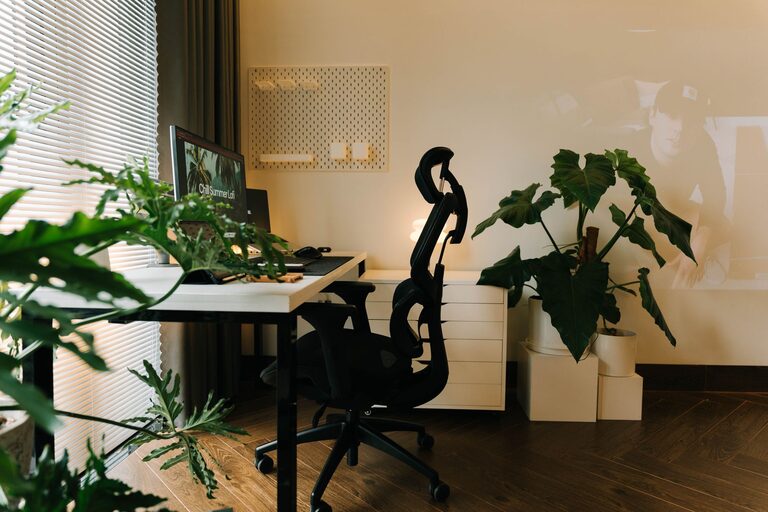
– Ergonomic Chair: A supportive chair that encourages good posture prevents back pain and fatigue.
– Adjustable Desk: If possible, use a desk with adjustable height to alternate between sitting and standing.
– Proper Desk Size: Your desk should be large enough to hold your computer, documents, and other essentials without clutter.
3. Organize With Purpose
A cluttered desk can lead to a cluttered mind. Organization helps you stay focused and find things quickly.
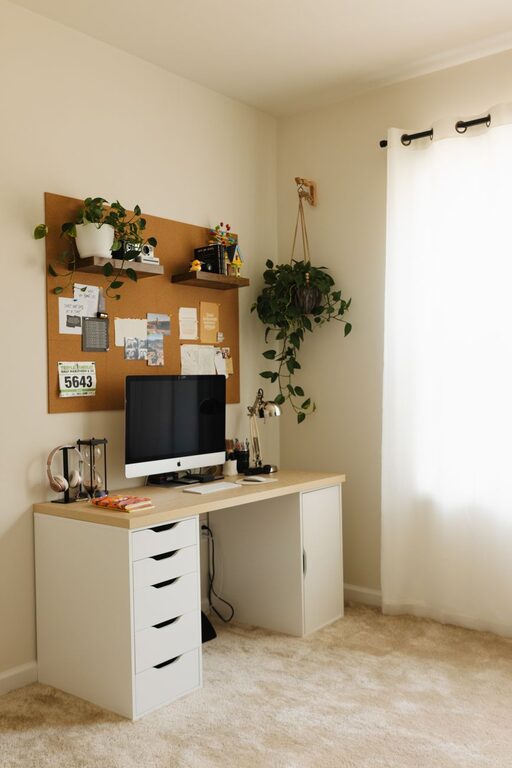
– Use Storage Solutions: Shelves, filing cabinets, or drawers keep papers and supplies tidy.
– Desk Organizers: Small containers or trays for pens, paper clips, and sticky notes help manage daily essentials.
– Cable Management: Use cable clips or sleeves to keep cords neat and prevent tangling.
4. Personalize the Space
While functionality is important, adding personal touches can make your office feel cozy and inviting.
– Choose Calming Colors: Soft, neutral tones or gentle pastels can create a relaxing atmosphere.
– Add Plants: Indoor plants improve air quality and reduce stress, adding a fresh natural element.
– Incorporate Artwork or Photos: Select images that inspire or comfort you to make the space truly your own.
5. Optimize Lighting
Good lighting reduces eye strain and boosts alertness.
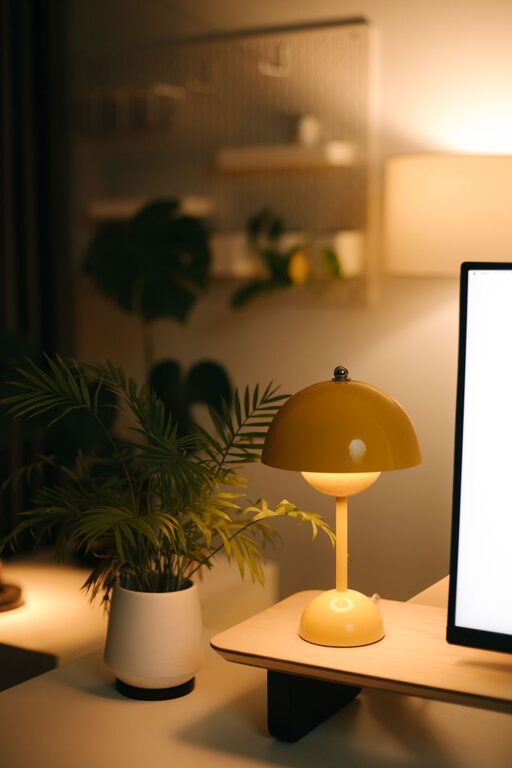
– Layered Lighting: Combine ambient (overhead), task (desk lamp), and accent lighting for flexibility.
– Adjustable Desk Lamp: A lamp with adjustable brightness and direction helps when focusing on detailed work.
– Avoid Glare: Position screens and lights to minimize reflections on your computer monitor.
6. Minimize Distractions
Creating boundaries helps maximize concentration, particularly in a home environment.
– Noise Control: Use noise-cancelling headphones, white noise machines, or soft background music to block out distractions.
– Set Clear Work Hours: Establish a schedule and communicate it with family or housemates.
– Separate Work from Leisure: Make your home office solely for work to help shift your mindset.
7. Maintain Comfort with Climate Control
Temperature and air quality affect how long and how well you can focus.
– Ventilation: Ensure your space is well-ventilated with access to fresh air.
– Temperature: Use fans, heaters, or air conditioning to keep the temperature comfortable.
– Humidifier or Dehumidifier: Depending on your climate, these devices can maintain optimal humidity levels for comfort and productivity.
8. Incorporate Technology Thoughtfully
Tech tools should simplify your work experience, not complicate it.
– Reliable Internet: Invest in a strong Wi-Fi connection or Ethernet cable for stability.
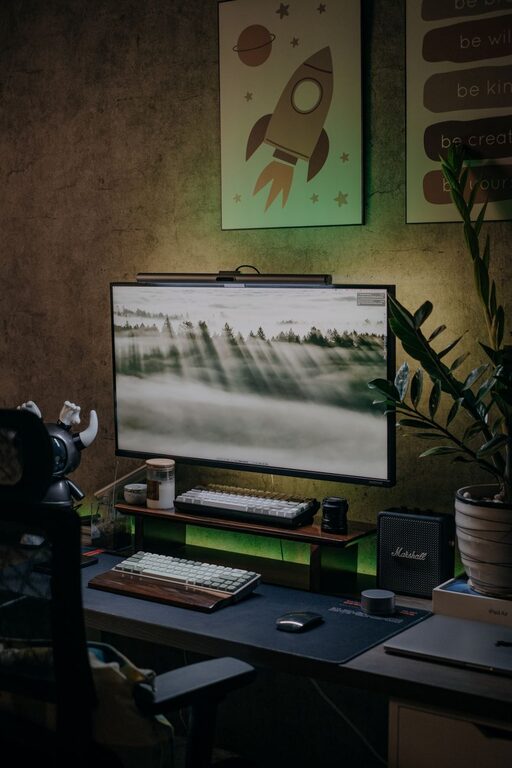
– Monitor Setup: Consider dual monitors or a larger screen to improve workflow.
– Good Keyboard and Mouse: Ergonomic and responsive peripherals prevent strain during long hours.
9. Keep It Clean and Fresh
A clean space encourages a clear mind and good habits.
– Daily Tidying: Spend a few minutes at the end of each day clearing your desk.
– Regular Cleaning: Dust surfaces, vacuum floors, and sanitize electronics weekly or as needed.
– Refresh Air: Use natural scents like essential oils or air purifiers to keep the environment pleasant.
10. Take Breaks and Move
A cozy and productive home office also supports your physical and mental health.
– Set Reminders: Use apps or alarms to remind you to take short breaks.
– Stretch and Move: Stand up, stretch, or walk around to boost circulation and reduce fatigue.
– Create a Relaxation Spot: If space allows, include a comfortable chair or cushion for brief mental breaks.
Final Thoughts
Designing a home office is a personal journey. The best space is one that fits your unique needs and style, promoting both comfort and focus. By paying attention to lighting, organization, ergonomics, and personalization, you can create an environment that supports your productivity while feeling warm and inviting. Take your time experimenting with different setups and remember that a cozy workspace helps make every workday a little brighter.