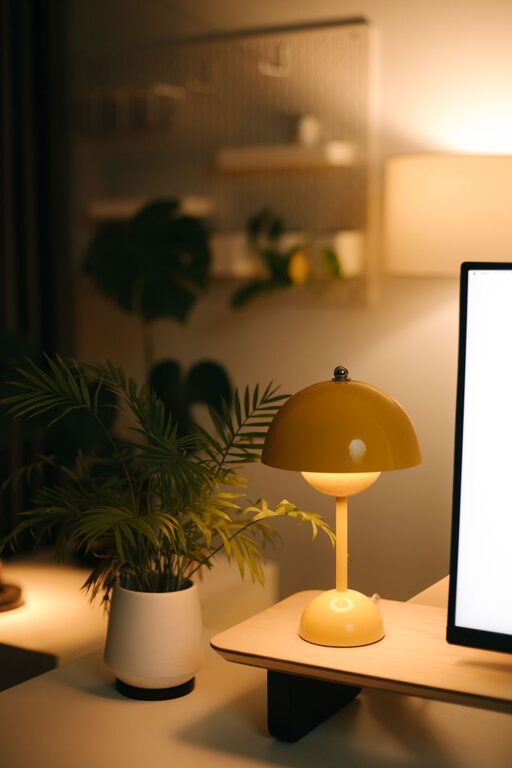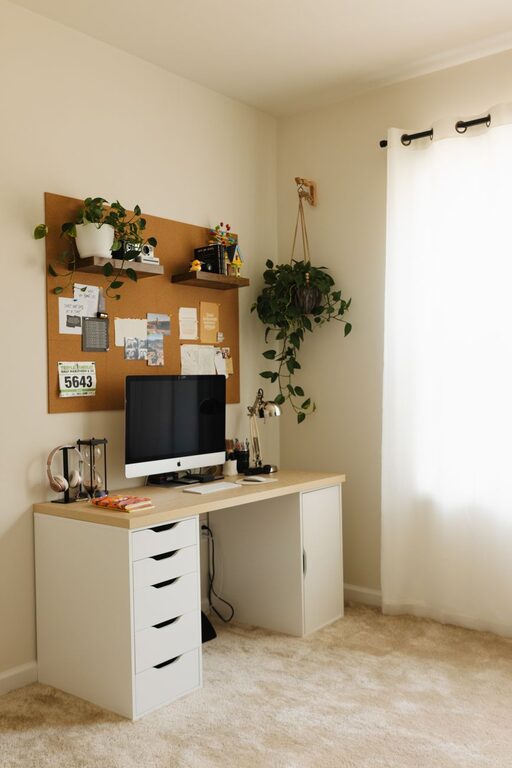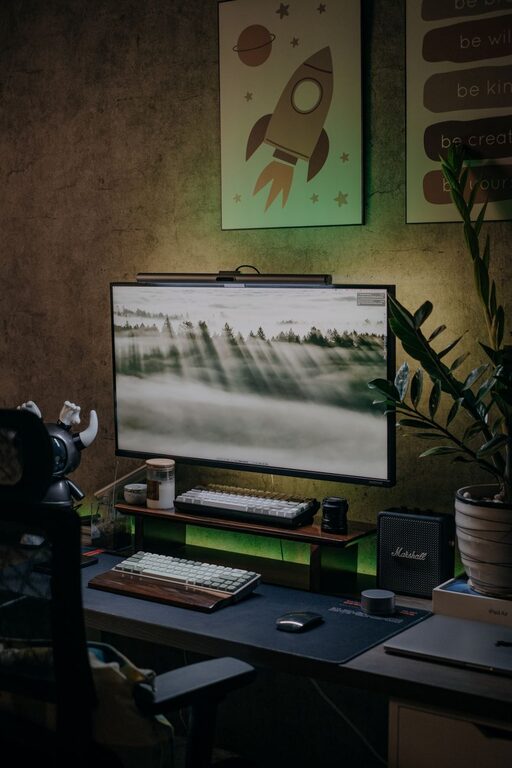
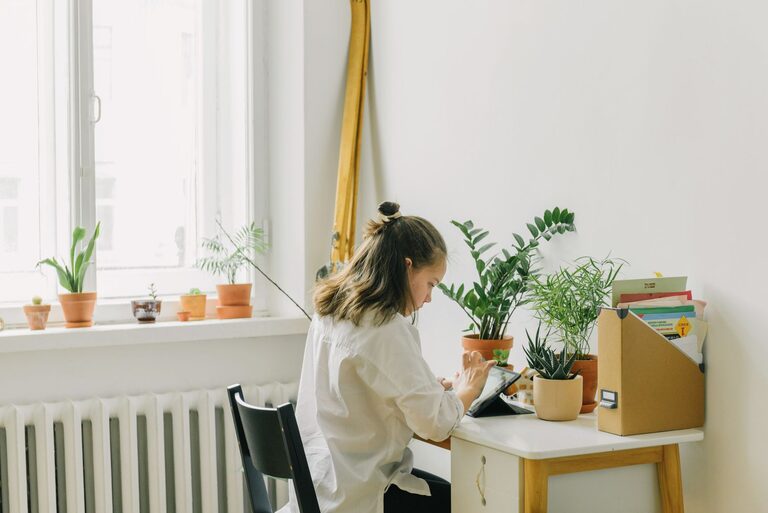
Creating a relaxing home workspace is essential for maintaining productivity and comfort, especially as many people spend more time working remotely. A well-designed environment can reduce stress, improve focus, and make working from home more enjoyable. In this post, we’ll explore practical tips to help you transform your home workspace into a peaceful, efficient haven.
Why a Relaxing Workspace Matters
Your workspace influences not only how much work you get done but also how you feel throughout the day. A cluttered or uncomfortable area can increase stress and fatigue, while a calm, well-organized space promotes concentration and a positive mindset. By focusing on comfort and relaxation, you can boost both your productivity and job satisfaction.
Choose the Right Location
Find a Quiet Spot
Select a location in your home that is quiet and free from distractions. Avoid areas with heavy foot traffic or loud noises. If you don’t have a separate room available, consider using room dividers or noise-cancelling headphones to create a sense of privacy.
Maximize Natural Light
Natural light helps regulate your body’s internal clock and can improve mood and energy levels. Position your desk near a window if possible. If natural light is limited, use full-spectrum light bulbs that mimic daylight for a brighter, more inviting space.
Invest in Ergonomic Furniture
Comfortable Chair
A supportive, adjustable chair is critical for avoiding back pain and maintaining good posture. Look for chairs with lumbar support and adjustable height to fit your body perfectly.
Functional Desk
Choose a desk that fits your work needs without crowding the space. Consider adjustable desks that allow you to switch between sitting and standing, which can enhance circulation and reduce fatigue.
Declutter and Organize
Keep Surfaces Clear
Clear desks help reduce distractions and promote a sense of calm. Only keep essential items on your desk and store everything else in drawers or organizers.
Use Storage Solutions
Invest in shelves, filing cabinets, or boxes to keep paperwork, books, and supplies neatly organized. Labeling storage containers can help you find things quickly and maintain order.
Personalize Your Space
Add Plants
Indoor plants contribute to air quality and add a touch of nature, which can lower stress levels and improve focus. Low-maintenance plants like succulents or pothos are great options.
Include Inspiring Items
Surround yourself with items that motivate you, such as artwork, photos, or quotes. Just be sure they do not clutter your space or distract you from work.
Maintain Comfort with Temperature and Air Quality
Control Temperature
Keep your workspace at a comfortable temperature, typically between 68 to 72 degrees Fahrenheit (20-22 degrees Celsius). Use fans, heaters, or air conditioners as needed.
Improve Air Quality
Good air flow can prevent stuffiness and improve concentration. Open windows when weather permits or use an air purifier to maintain fresh air indoors.
Minimize Noise and Distractions
Soundproofing Tips
Use rugs, curtains, or bookshelves to absorb sound. Consider adding door seals or acoustic panels if noise is a persistent issue.
Manage Digital Distractions
Turn off non-essential notifications and set specific times to check emails or messages. Apps that block distracting websites can help maintain focus.
Create a Routine and Break Space
Establish Work Hours
Set clear start and end times for your workday to create boundaries. This helps your mind associate the workspace with productivity during work hours and relaxation afterward.
Designate a Break Area
If space allows, have a separate spot nearby for breaks. This change of scenery can help you recharge and prevent burnout.
Keep It Clean
Regular cleaning removes dust and allergens that affect air quality and comfort. A tidy workspace also supports mental clarity, so schedule time weekly to clean and reset your area.
Final Thoughts
Designing a relaxing home workspace doesn’t require a large budget or major renovations. By focusing on comfort, organization, and personalization, you can create an environment that supports your well-being and productivity. Take time to assess what you need to feel calm and focused—small changes can make a big difference!
—
By implementing these tips, you’ll be well on your way to enjoying a more productive and comfortable work-from-home experience.