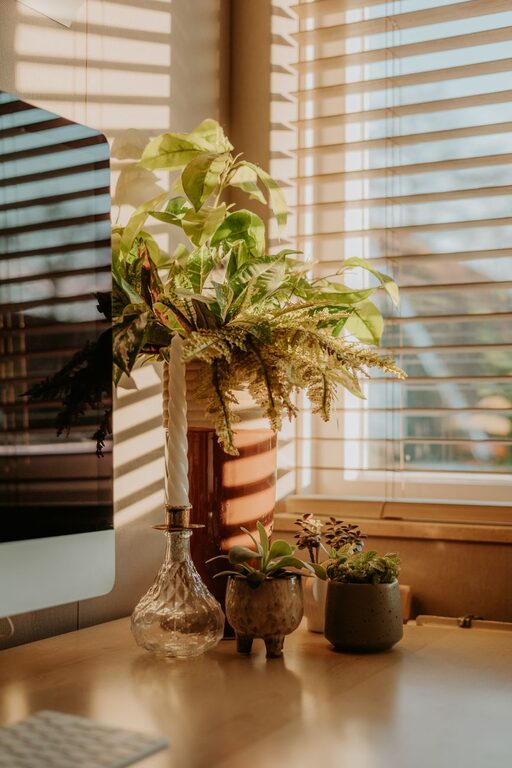
Working from home has become a common part of many people’s lives, and having a dedicated space that promotes both comfort and productivity is essential. Creating a cozy yet efficient home office can make a significant difference in your focus and overall work satisfaction. In this post, we’ll explore practical tips to help you design a home office space that supports your daily tasks while making you feel relaxed and inspired.
Choose the Right Location
Finding the ideal spot for your home office is the first and most important step. Look for a quiet corner or room where disturbances are minimal.
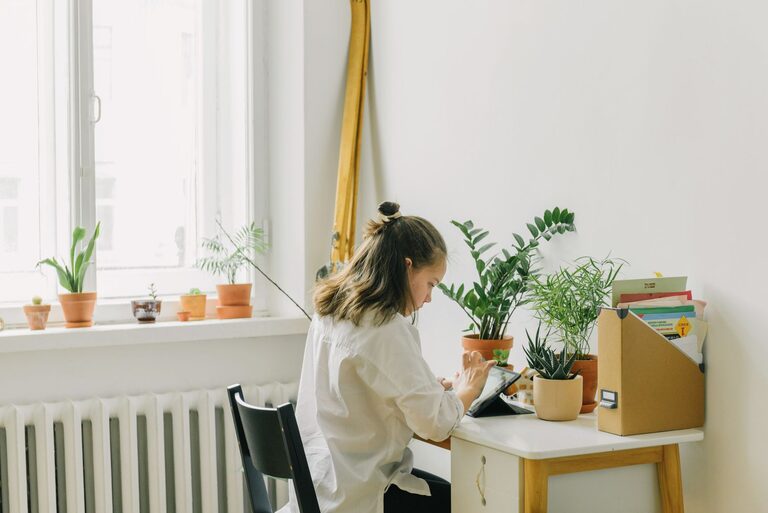
– Natural Light: Position your desk near a window to take advantage of natural light, which helps reduce eye strain and boosts mood.
– Privacy: If possible, select a space away from high-traffic areas or noisy household activities.
– Space: Ensure there’s enough room to accommodate your desk, chair, storage, and any equipment you need.
Invest in Ergonomic Furniture
Comfort plays a big role in productivity. Spending long hours on unsuitable furniture can lead to discomfort and distractions.
– Ergonomic Chair: Choose a chair that supports your back and encourages good posture.
– Adjustable Desk: If possible, use a desk with height adjustment, allowing you to alternate between sitting and standing.
– Monitor Placement: Position your computer screen at eye level to avoid neck strain.
Organize Your Workspace
A cluttered workspace can make it hard to focus. Keeping your area organized promotes efficiency and reduces stress.
– Declutter Daily: At the end of each day, take a few minutes to tidy up.
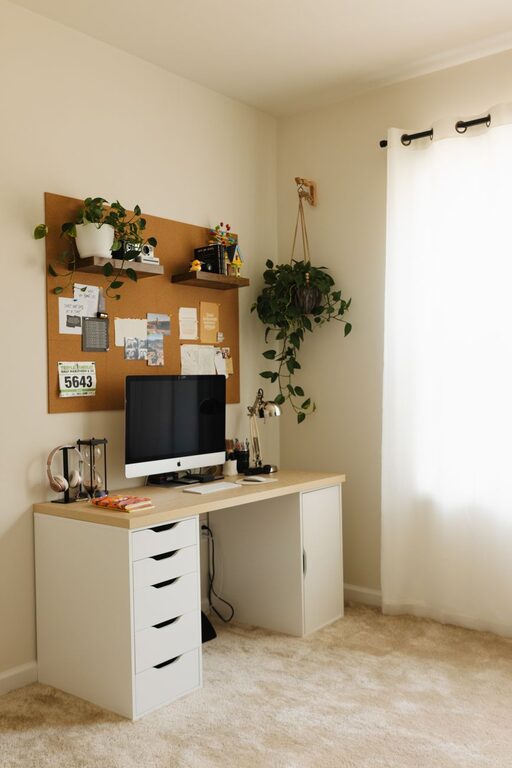
– Storage Solutions: Use shelves, drawers, or organizers to keep supplies and documents in order.
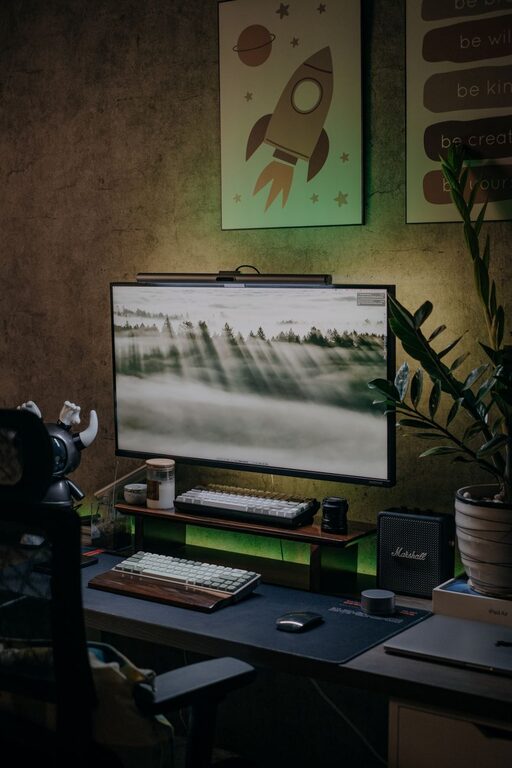
– Cable Management: Use clips or ties to keep cords neat and avoid tangling.
Personalize Your Space
Adding personal touches helps make your office feel welcoming and motivates you throughout the day.
– Plants: Incorporate small plants to add freshness and improve air quality.
– Artwork or Photos: Hang artwork or display photos that inspire or relax you.
– Color Choices: Select wall colors or accessories in tones that suit your mood — soft blues and greens can be calming, while brighter hues can energize.
Maximize Lighting
Good lighting is key for productivity and comfort.
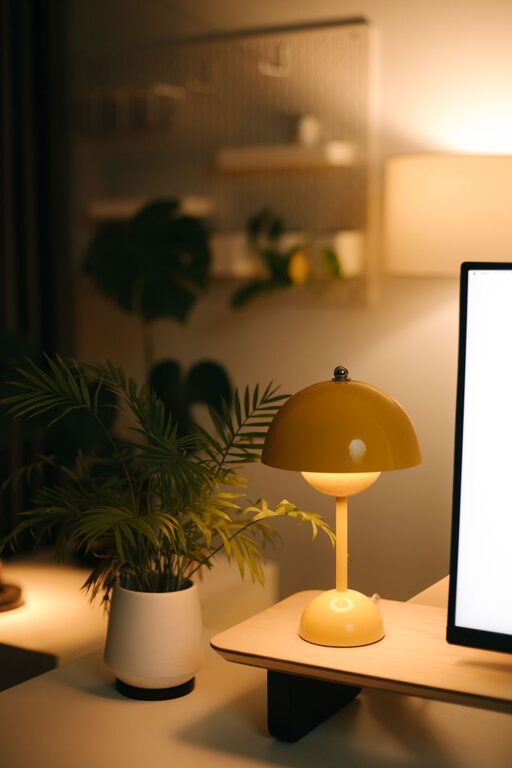
– Layered Lighting: Combine natural light with task lighting (desk lamps) and ambient light (overhead fixtures) for balanced illumination.
– Avoid Glare: Position screens and lamps to reduce glare and reflections.
– Warm vs. Cool Light: Use cooler lights for focused work and warmer lights for relaxing breaks.
Minimize Distractions
Creating boundaries helps you stay in “work mode” when needed.
– Noise Reduction: Use noise-canceling headphones or white noise machines if external sounds are disruptive.
– Separate Work & Leisure: Designate your workspace strictly for work to mentally separate it from relaxation areas.
– Set Rules: Communicate with family or housemates about your work hours to limit interruptions.
Maintain Good Air Quality
Fresh air supports focus and well-being.
– Ventilation: Open windows when possible to allow airflow.
– Air Purifiers: Consider an air purifier if your space is stuffy or prone to allergens.
– Plants Again: As mentioned earlier, some plants naturally improve indoor air quality.
Use Technology Wisely
The right tech tools make working easier and reduce frustration.
– Reliable Internet: Ensure your internet connection is strong to avoid interruptions.
– Efficient Tools: Use keyboards, mice, and other accessories that feel comfortable.
– Backup Plans: Keep external drives or cloud storage to protect your work files.
Create a Routine
A consistent routine helps sustain productivity and avoid burnout.
– Set Business Hours: Define clear start and end times for your workday.
– Take Breaks: Schedule short breaks to stand, stretch, and rest your eyes.
– Use Timers: Consider techniques like the Pomodoro method to stay focused.
Keep It Flexible
Your needs may change over time, so keep your home office adaptable.
– Modular Furniture: Choose pieces that you can easily move or adjust.
– Multipurpose Spaces: If space is limited, find ways to convert your workspace when not in use.
– Regular Review: Periodically assess your setup and make improvements.
—
Creating a cozy and productive home office is about balancing comfort, organization, and function. By paying attention to your space’s location, furniture, lighting, and decor, you can build an environment where you love to work. Remember, the goal is to design a space that supports your well-being and helps you accomplish your tasks with ease. With these tips, you’ll be well on your way to enjoying an inspiring and efficient home office.